
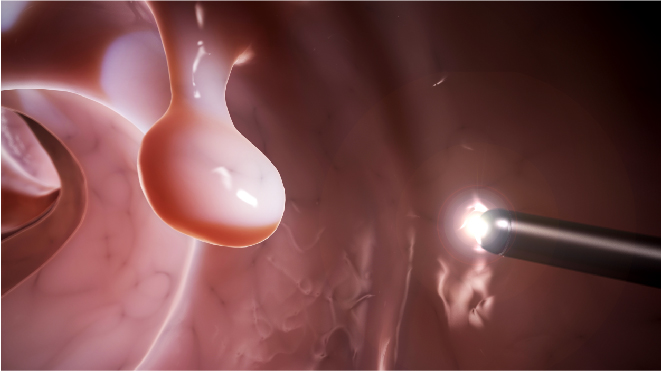

Colon cancer is a common type of cancer that affects the large intestine. Colon cancer treatment options will depend on the stage of the cancer, which is determined by the size of the tumor and whether the cancer has spread to other parts of the body. Below are the different colon cancer treatment options available for colon cancer by stage.
Stage 0 Colon Cancer
Stage 0 colon cancer, also known as carcinoma in situ, is a very early stage of colon cancer in which the cancer cells are confined to the innermost lining of the colon. In most cases, surgery is the primary treatment option for stage 0 colon cancer.
The surgeon will remove the tumor and a small amount of surrounding tissue to ensure that all of the cancer cells have been removed. This procedure is known as a polypectomy or a local excision.
Stage I Colon Cancer
In stage I colon cancer, the cancer has grown through the innermost lining of the colon and into the middle layers of the colon wall but has not spread to nearby lymph nodes or other parts of the body. Surgery is the primary treatment option for stage I colon cancer.
The surgeon will remove the tumor and a small amount of surrounding tissue to ensure that all of the cancer cells have been removed. This procedure is known as a partial colectomy. Chemotherapy may be recommended after surgery to reduce the risk of the cancer coming back.
Stage II Colon Cancer
In stage II colon cancer, the cancer has grown through the middle layers of the colon wall and into the outermost layers of the colon wall but has not spread to nearby lymph nodes or other parts of the body. Surgery is the primary treatment option for stage II colon cancer.
The surgeon will remove the tumor and a portion of the colon. This procedure is known as a partial colectomy. Chemotherapy may be recommended after surgery to reduce the risk of the cancer coming back.
Stage III Colon Cancer
In stage III colon cancer, the cancer has spread to nearby lymph nodes but has not spread to other parts of the body. Surgery is the primary treatment option for stage III colon cancer.
The surgeon will remove the tumor and a portion of the colon as well as nearby lymph nodes. This procedure is known as a partial colectomy with lymph node removal. Chemotherapy is usually recommended after surgery to reduce the risk of the cancer coming back.
Stage IV Colon Cancer
In stage IV colon cancer, the cancer has spread to other parts of the body, such as the liver or lungs. The treatment options for stage IV colon cancer depend on the location and extent of the cancer.
Surgery may be an option for some patients to remove the cancerous tumors in the liver or lungs. Chemotherapy is the primary treatment option for stage IV colon cancer. It can help shrink the tumors and slow the growth of the cancer, but it is usually not curative. Radiation therapy may also be used to help shrink tumors and relieve symptoms.
Conclusion
The treatment options for colon cancer depend on the stage of the cancer. In the early stages, surgery is usually the primary treatment option, while chemotherapy may be recommended to reduce the risk of the cancer coming back. In later stages, surgery may still be an option to remove cancerous tumors in other parts of the body, but chemotherapy is usually the primary treatment.
If you have been diagnosed with colon cancer, it’s important to work with your healthcare team to determine the best treatment plan for your individual case. With early detection and appropriate treatment, many people with colon cancer are able to live long, healthy lives.
