
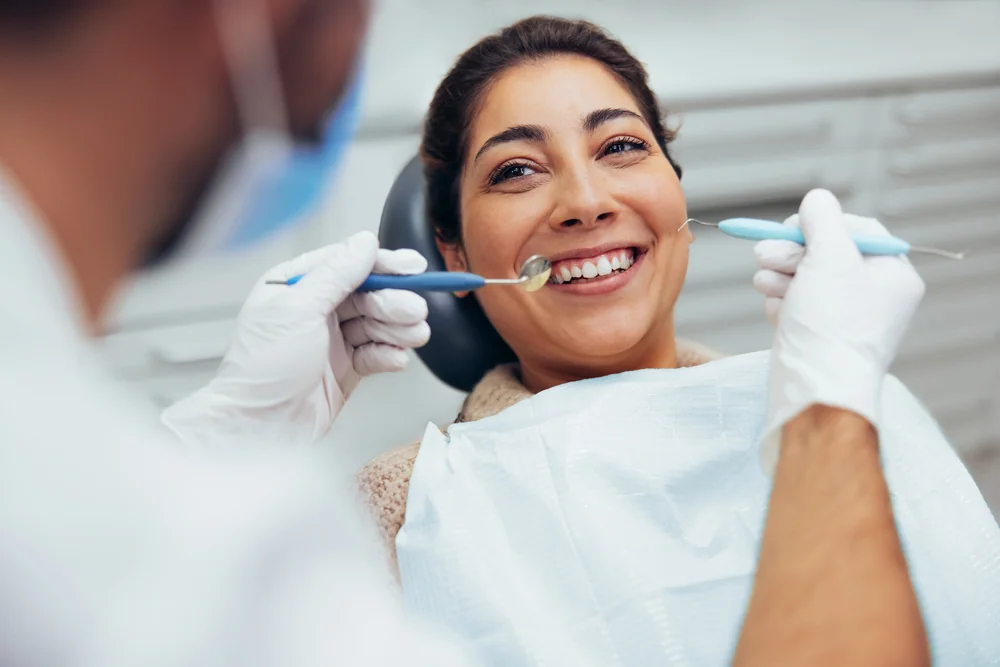

A person with chipped teeth could feel self-conscious and be reluctant to engage in social situations where a warm smile is necessary for forging lasting relationships. These kinds of shame can, fortunately, be brief because of advancements in cosmetic surgery. People may recover their ideal smile by consulting with the Orange Park general dentist about their issues and needs. Dentists frequently advise dental bonding for chipped teeth to improve the dentition’s overall look. Some people might question the durability of this specific cosmetic dental operation, though. Here is all the information you require.
What is dental bonding?
Dental bonding, commonly referred to as composite bonding, is a cosmetic dental procedure that uses a resin material that is naturally tooth-colored to fit in with the natural teeth, creating a wider and more assured grin. The technique can be used to correct gaps, fix broken teeth, or enhance the appearance of teeth by changing their form and color. Dental bonding is reversible, as opposed to porcelain veneers.
UV light is used in the procedure to permanently attach the resin to the remaining teeth. This makes it possible for people to cover up cracks or chips in their teeth, close up spaces between teeth, cover up tooth discoloration, enhance tooth form, and, in the end, achieve a beautiful smile.
How long do they last?
It is difficult to predict how long dental bonding will last because it relies on a number of variables. Dental bonding may often last four to ten years with good maintenance and adherence to the dentist’s recommendations. How long dental bonding lasts is mostly dependent on the strength of the bonding substance and each person’s dental practices.
Because they are not as durable as natural teeth, bonded teeth need to be treated carefully to avoid undue stress that might cause the bonding material to degrade and eventually fail. In addition, excessive use of tea, coffee, and red wine may result in stains and the need for early replacements. Additionally, smoking is known to reduce the durability of dental bonding.
Final thoughts:
Dental bonding is a safe technique that offers a number of benefits in only one visit. In addition to being painless, it may also be a cost-effective alternative because of its endurance and lack of need for repeated replacements with good care. The materials used in the treatment are also biocompatible, and the dentist may go over their benefits and safety during the appointment.
