

Why Active Days Can Leave You Drained
Exploring Seoul often involves more movement than travelers expect. A short walk between attractions can turn into several hours on foot, and a day of shopping may mean standing, carrying bags, and navigating crowded streets. Even people who exercise regularly can feel tired when a trip combines walking with unfamiliar routines, different meals, and less sleep than usual.
The solution is rarely complicated. Recovery comes from giving your body the basics it needs: water, food, sleep, and breaks. You do not need an elaborate wellness routine to feel better after a busy day. A few deliberate choices can help reduce the feeling of being worn out and make the next morning more enjoyable.
Begin With Water, Food, and Gentle Movement
After a long outing, drink water and have a balanced meal or snack if you have not eaten for several hours. If your feet feel stiff, take off your shoes and move your ankles gently. Slow calf stretches and easy shoulder rolls may help you unwind, provided they do not cause pain. Avoid aggressive stretching when muscles are already sore.
Give yourself time to cool down before taking a hot shower, especially if you have been walking in warm weather. If you feel faint, unusually short of breath, or significantly unwell, prioritize appropriate medical help rather than trying to solve the problem with rest or massage. Ordinary tiredness is common during travel, but severe or unusual symptoms deserve attention.
Use Massage as One Part of Recovery
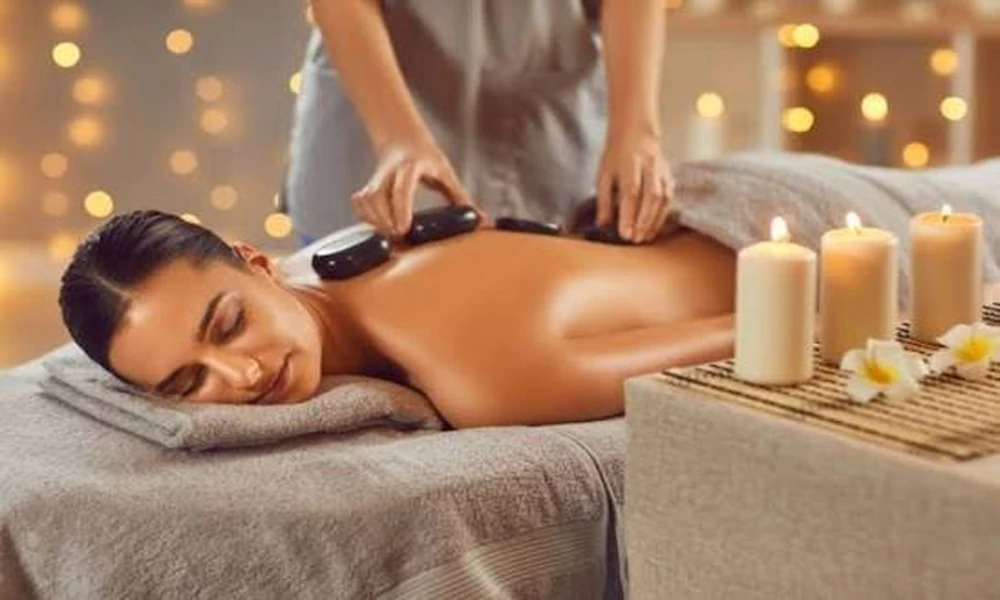
Some travelers enjoy massage as a way to relax after a day of walking or sitting during transport. When exploring options, searches such as 서울출장안마 and 서울출장마사지 may lead to information about services in Seoul. Read the details carefully and choose an option that clearly describes its techniques, duration, price, and booking arrangements.
Massage should be comfortable and adapted to the individual. It is not necessary for recovery, and it is not a treatment for every type of pain. If you have a recent injury, unexplained swelling, a blood-clotting concern, or another medical issue, ask a healthcare professional whether massage is suitable. During a session, communicate your preferences and request a change in pressure whenever needed.
Create a Calm Environment for the Evening
The environment around you can influence how easily you settle down. Lower the noise where possible, reduce bright screen use before bed, and prepare what you need for the next day so you are not rushing in the morning. A warm shower, comfortable clothes, and a few quiet minutes can help mark the transition from sightseeing to rest.
If you are staying in a hotel, keep the space organized and avoid turning the bed into a work area if you can. Travelers who continue checking messages or planning every detail late into the night may find it harder to switch off. Give yourself a realistic stopping point. Even a short period without notifications can make an evening feel more restful.
Protect Your Feet and Back During the Trip
Comfortable footwear is one of the simplest investments a traveler can make. Choose shoes that fit well and have already been worn enough to avoid blisters. If you know you will be walking for hours, carry only what you need and use a bag that distributes weight comfortably. Change positions during long train rides and avoid standing still for extended periods when a short walk is possible.
When discomfort appears, adjust the plan rather than pushing through every activity. Take a café break, sit down at a park, or return to your accommodation earlier than expected. Resting before you become exhausted can help you enjoy more of the trip overall. The goal is not to maximize the number of places visited, but to have a good experience at the places you choose.
Plan Tomorrow With Energy in Mind
It is tempting to schedule another full day immediately after a demanding one. Instead, look at the map and group nearby attractions together. Leave open time between major activities and identify a simple alternative in case you wake up tired or the weather changes. A flexible plan makes it easier to adapt without feeling that the day has failed.
Consider what helped you recover the previous evening. Perhaps you needed an earlier dinner, a quieter activity, a longer sleep, or a short massage appointment. Use that information to make tomorrow more manageable. There is no single routine that works for every traveler, so pay attention to what genuinely leaves you feeling better.
Make Recovery a Travel Habit
A good trip includes both exploration and downtime. By drinking water, eating regularly, wearing supportive shoes, taking breaks, and protecting your sleep, you can reduce some of the strain that comes with active days. Optional services such as massage may fit into that routine when chosen thoughtfully and booked with clear expectations.
Seoul has plenty to offer, but you do not have to see everything at once. Give yourself space to enjoy a slower morning or an unplanned evening. When recovery is part of the itinerary rather than an afterthought, you are more likely to return to the city’s streets feeling refreshed and ready to explore again.
Simple Ways to Recover After a Long Day Exploring Seoul
