
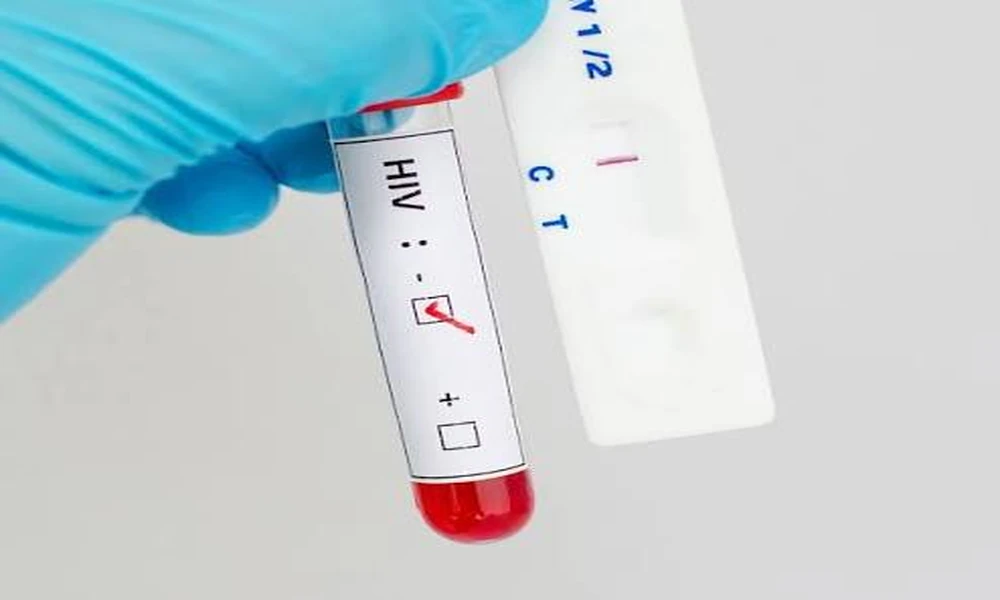

Getting tested can feel stressful, especially when you are waiting for results. But an STD test is one of the most practical ways to protect your health and your partner’s health. This STD test guide explains what testing may involve, but it is just as important to understand what your results usually mean after the test is done.
STD stands for sexually transmitted disease, though many doctors also use the term STI, which means sexually transmitted infection. Some infections cause clear symptoms, but many do not. This means a person can feel well and still have an infection that needs treatment.
Understanding your results can help you take the right next step calmly, without panic or guessing.
Why STD Test Results Need Proper Interpretation
A Result Is Not Just “Good” or “Bad”
STD test results are medical information. A negative result can be reassuring, but it does not always mean there is zero risk. A positive result can feel worrying, but many STDs are treatable, and some are curable with the right medicine.
The meaning of your result depends on several things, such as:
- Which STD was tested
- What type of test was used
- When you last had possible exposure
- Whether you have symptoms
- Whether your partner has tested positive
- Whether follow-up testing is needed
This is why results should be explained by a doctor or trained healthcare professional, especially if the result is positive, unclear, or does not match your symptoms.
What a Negative STD Test Result Usually Means
It Means the Test Did Not Detect That Infection
A negative result usually means the test did not find signs of the infection being checked. For example, a negative chlamydia test means chlamydia was not detected in the sample tested.
This can be reassuring, especially if the test was done at the right time and the correct sample was collected.
However, a negative result does not always mean you are fully clear from every STD. It only applies to the infections included in that test panel. If you were tested for HIV and syphilis only, that does not tell you whether you have chlamydia, gonorrhoea, herpes, or other infections.
Timing Matters Because of the Window Period
The window period is the time between possible exposure and when a test can reliably detect an infection. Testing too early may lead to a negative result even if an infection is still developing.
For example, some infections may show up within days, while others may take weeks. HIV testing also has a window period, and repeat testing may be advised after a certain time if there was recent high-risk exposure.
If you tested soon after unprotected sex or a known exposure, ask when you should repeat the test.
What a Positive STD Test Result Usually Means
It Means the Infection Was Detected
A positive result usually means the test found evidence of an STD or STI. This does not mean you should panic. It means you need medical advice, treatment if required, and a plan to prevent passing the infection to others.
Some infections, such as chlamydia, gonorrhoea, syphilis, and trichomoniasis, can often be treated with prescribed medication. Viral infections, such as herpes, HIV, and hepatitis B, may not always be curable, but they can often be managed with proper medical care.
Do Not Self-Treat
It may be tempting to search online or use leftover antibiotics, but this can be unsafe. The wrong medicine may not treat the infection. It may also make symptoms harder to understand or contribute to antibiotic resistance.
A doctor can explain:
- What infection was found
- What treatment is needed
- Whether your partner should be tested or treated
- How long to avoid sex
- Whether repeat testing is needed later
What an Unclear or Borderline Result Means
Some Results Need Confirmation
Not every result is simple. Sometimes, a test may come back as inconclusive, borderline, reactive, or needing confirmation. This does not always mean you have an STD.
It may happen because the sample was taken too early, the result was weakly reactive, or the test needs a second method to confirm the finding.
In this situation, the safest step is to follow the clinic’s advice. You may need another blood test, urine test, swab, or repeat screening after a set period.
Why Follow-Up Advice Is Important
Follow-Up Helps Protect You and Others
Follow-up advice is not just a formality. It helps make sure the infection has been treated properly and lowers the chance of reinfection.
You may be advised to:
- Take medication exactly as prescribed
- Avoid sex until treatment is completed
- Ask recent partners to get tested
- Return for repeat testing
- Test for other STDs if one infection is found
- Use condoms or other protection in future
For some infections, retesting may be recommended a few months after treatment because reinfection can happen, especially if partners were not treated.
When Should You Get Tested Again?
Repeat Testing Depends on Risk and Timing
You may need another STD test if you had recent exposure, have a new partner, had unprotected sex, have symptoms, or your partner tested positive.
You should also consider testing if you notice:
- Pain when passing urine
- Unusual discharge
- Genital sores, blisters, or rashes
- Pelvic or testicular pain
- Bleeding after sex
- Itching or irritation
- Flu-like symptoms after possible exposure
Still, remember that many STDs have no symptoms. Regular testing may be useful for sexually active people, especially those with new or multiple partners.
How to Talk About Results With a Partner
Keep the Conversation Clear and Calm
Talking about STD results can feel uncomfortable, but it is important. A positive result does not always prove when or from whom an infection came. Some infections can stay silent for a long time.
Try to focus on health, not blame. You can say something simple like, “I got tested and one result came back positive. My doctor said partners should get checked too.”
This helps both people take action quickly and responsibly.
Getting Help Without Feeling Embarrassed
STD testing is a normal part of healthcare. Doctors and clinic staff are used to discussing these concerns confidentially. At LoveJoy Family Clinic, STD screening may include blood tests, urine tests, or swabs depending on the infection being checked, with advice on result timing and follow-up care.
If you are unsure what your result means, do not guess. A proper STD screening test guide can help you understand the process, but your own results should always be discussed with a healthcare provider.
Final Thoughts
STD test results are meant to guide your next step, not create fear. A negative result can bring peace of mind, but timing and test coverage matter. A positive result means you can move forward with treatment, partner notification, and safer choices.
The most important thing is to test at the right time, understand what was checked, and follow the advice given after your results. With clear information and proper care, STD testing becomes a responsible and simple part of looking after your health.
STD Test Results: What Negative, Positive, and Follow-Up Advice Usually Mean
