

Key Takeaways
- A med spa clinic can support your wellness journey by combining personalized aesthetic treatments with relaxation-focused services.
- Customized skincare plans help address individual concerns, skin types, and personal beauty goals.
- Professional skin treatments, such as microneedling and chemical peels, may improve skin texture and appearance when appropriate for the individual.
- Selected wellness services, including massage therapy, can promote relaxation and help manage everyday stress.
- Choosing qualified professionals and following proper aftercare guidelines are essential for a safe and satisfying experience.
1. Personalized Treatments for Your Unique Wellness Goals
Understanding Your Individual Needs
Every person’s wellness journey is different. Some individuals want to improve their skin’s appearance, while others are looking for treatments that help them feel refreshed and confident. A personalized approach allows a provider to consider these goals before recommending appropriate services.
Visiting a med spa clinic can be an opportunity to discuss your skincare concerns, treatment preferences, and expectations with qualified professionals. An initial consultation may include reviewing your skin type, medical history, current skincare routine, and any relevant health considerations.
Rather than following a one-size-fits-all approach, a customized treatment plan focuses on services that are suitable for your needs.
- Personalized Skin Assessment: Identify concerns such as uneven skin tone, dryness, acne scars, or fine lines.
- Customized Treatment Recommendations: Explore suitable options based on your goals, skin condition, and professional assessment.
- Ongoing Guidance: Review your progress and adjust your routine or treatment plan when necessary.
With personalized care, clients can make more informed decisions and establish realistic expectations for their wellness journey.
Building a Sustainable Self-Care Routine
Wellness is not limited to a single appointment. Maintaining healthy habits between visits can help support your skin and overall well-being.
A consistent routine may include gentle cleansing, moisturizing, daily sun protection, adequate hydration, and sufficient rest. Depending on your needs, a professional may also recommend appropriate products or follow-up treatments.
The goal is to develop a sustainable approach to self-care rather than relying on frequent procedures or expecting immediate, permanent results.
2. Improving Skin Health and Appearance
Exploring Professional Skin Treatments
Skin concerns can influence how people feel about their appearance. Professional aesthetic treatments offer options for individuals who want to address specific concerns with guidance from trained providers.
Depending on the person’s skin condition and treatment goals, available services may include facials, chemical peels, microneedling, or other skin rejuvenation procedures. Each treatment works differently, and suitability depends on factors such as skin sensitivity, medical history, and the concern being addressed.
Microneedling, for example, uses fine needles to create controlled micro-injuries in the skin, stimulating a healing response that may support collagen production. Chemical peels use selected solutions to exfoliate the skin and may help improve certain types of uneven texture or discoloration.
These procedures are not appropriate for everyone, so professional assessment is important before beginning treatment.
Choosing the Right Treatment for Your Skin
Different treatments offer different benefits. Understanding their purpose can help you discuss suitable options with your provider.
- Hydrating Facials: Help cleanse and moisturize the skin while supporting a refreshed appearance.
- Chemical Peels: May improve selected concerns, including certain types of discoloration, uneven texture, and acne-related marks.
- Microneedling: May help improve the appearance of certain scars, fine lines, and uneven skin texture.
- Maintenance Skincare: A consistent home routine helps support the skin between professional appointments.
The best choice depends on your skin’s needs, tolerance, and recovery requirements. A qualified provider should explain the potential benefits, risks, downtime, and expected results before treatment.
3. Supporting Relaxation and Stress Management
The Role of Massage and Relaxation Services
A wellness journey should consider more than physical appearance. Everyday responsibilities, work demands, and personal challenges can contribute to stress, making relaxation an important part of self-care.
Depending on the services offered, a med spa may provide massage therapy or other relaxation-focused treatments. Massage can help relieve muscle tension and promote a sense of calm. Some people also find that setting aside dedicated time for self-care helps them feel more refreshed.
The experience may be enhanced by a peaceful environment, comfortable treatment rooms, and attentive service.
Creating Space for Mental and Emotional Well-Being
Taking time to relax can complement other healthy habits, such as regular physical activity, adequate sleep, and maintaining social connections.
For a more balanced wellness routine, consider:
- Scheduling Time for Yourself: Set aside time for activities that help you unwind.
- Choosing Appropriate Treatments: Discuss your comfort level and preferences before a session.
- Maintaining Healthy Habits: Combine relaxation services with sustainable daily routines.
- Communicating Your Needs: Let the provider know about sensitivities, discomfort, or relevant health concerns.
Although relaxation treatments can support a sense of well-being, they should not replace professional care for ongoing physical or mental health concerns.
4. Exploring Wellness Services With Professional Guidance
Understanding IV Therapy and Other Specialized Treatments
Some med spas offer specialized wellness services in addition to aesthetic procedures. Depending on the facility, these may include IV nutrient therapy or other treatments marketed to support hydration and general wellness.
However, the benefits of specialized services vary, and claims about increased energy, improved immunity, or other health outcomes should be evaluated carefully. IV therapy is not necessary for everyone, and it carries potential risks, including infection and complications related to the infusion.
Before choosing a treatment, ask the provider to explain its purpose, evidence of effectiveness, potential side effects, and whether it is appropriate for your individual circumstances.
Making Informed Wellness Decisions
A responsible wellness plan prioritizes safety and realistic expectations. Before proceeding with a specialized service, consider these steps:
- Ask About Qualifications: Confirm that the professionals performing or supervising the treatment have appropriate credentials.
- Discuss Your Medical History: Disclose relevant health conditions, allergies, medications, and previous reactions.
- Understand the Risks: Request a clear explanation of possible side effects and alternatives.
- Avoid Guaranteed Claims: Be cautious of treatments promoted as cures or as guaranteed ways to detoxify the body or prevent disease.
The body already has natural systems, including the liver and kidneys, that process and eliminate waste. Wellness treatments should not be assumed to remove toxins or improve health without reliable evidence.
When services are selected thoughtfully and delivered by qualified professionals, clients can make choices that better align with their personal goals and safety needs.
5. Creating a Comfortable and Consistent Wellness Experience
Why the Treatment Environment Matters
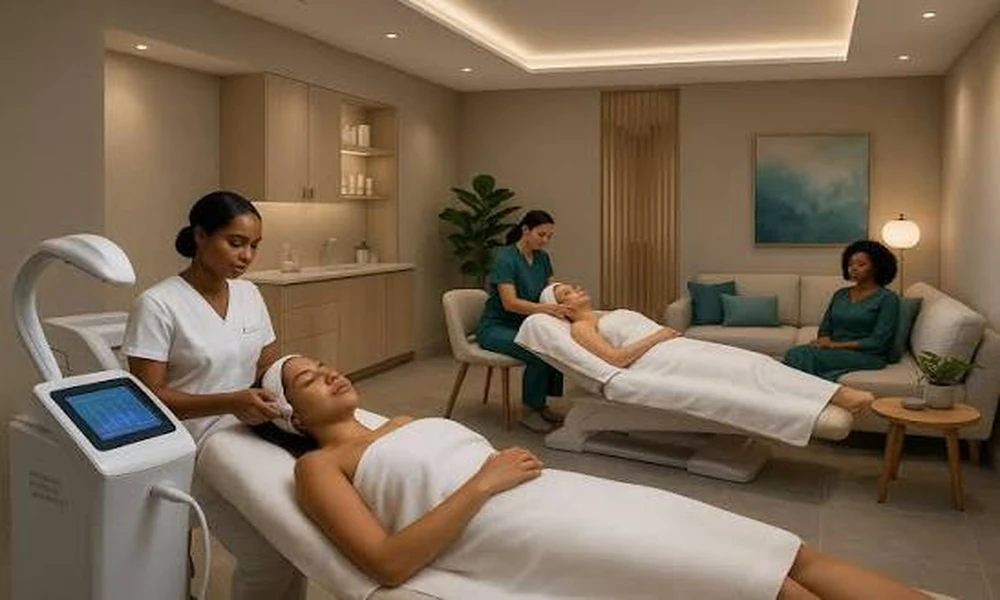
The environment of a med spa can influence how comfortable clients feel during their visits. Clean treatment rooms, organized facilities, clear communication, and respectful service all contribute to a positive experience.
Elements such as soft lighting, quiet spaces, and soothing music may help clients relax. However, ambiance should complement-not replace-professional qualifications, appropriate clinical procedures, and sound safety practices.
When choosing a provider, consider both the quality of the environment and the standards used to deliver treatments.
Maintaining Results Through Aftercare
A wellness journey continues after the appointment ends. Following the recommended aftercare instructions can help support recovery and reduce the risk of complications.
- Using gentle skincare products while the skin recovers.
- Applying sunscreen and limiting excessive sun exposure.
- Avoiding certain active ingredients or exfoliating products temporarily.
- Following specific instructions about exercise, makeup, or other activities.
- Scheduling follow-up appointments when clinically appropriate.
Always follow the instructions provided for your particular treatment, since recovery requirements differ between procedures.
A consistent, well-informed approach can help you maintain realistic expectations and make your wellness routine more sustainable over time.
Frequently Asked Questions
What services can a med spa clinic offer?
Services vary by facility but may include facials, skin rejuvenation procedures, chemical peels, microneedling, massage therapy, and selected wellness treatments. Confirm which services are available and who is qualified to perform them before booking.
How should I choose the right treatment for my skin?
Start with a consultation that considers your skin type, concerns, medical history, and goals. Ask about expected results, possible risks, recovery time, and alternatives before deciding on a procedure.
Are med spa treatments suitable for everyone?
No. Certain procedures may not be appropriate for people with particular skin conditions, medical histories, allergies, or medications. A qualified professional should assess your suitability and explain any precautions.
How often should I visit a med spa?
The recommended frequency depends on the treatment, your goals, your skin’s response, and the provider’s advice. Some services may be performed periodically, while others require longer intervals or may not need repeating.
Can med spa treatments help with stress?
Relaxation-focused services, such as massage, may help some people feel calmer and relieve muscle tension. Results vary, and these services should complement-not replace-appropriate care for persistent stress or mental health concerns.
What should I do after a professional skin treatment?
Follow the provider’s aftercare instructions. Depending on the procedure, you may need to use gentle skincare products, protect your skin from the sun, and temporarily avoid certain products or activities.
How can I evaluate a med spa’s safety standards?
Ask about staff credentials, treatment supervision, hygiene procedures, equipment, potential complications, and aftercare support. Choose a facility that answers questions clearly and does not promise guaranteed results.
What is the difference between a med spa and a traditional spa?
A traditional spa generally focuses on relaxation and nonmedical services. A med spa may offer aesthetic procedures that require specialized training or medical supervision. The exact distinction depends on the services provided and applicable local regulations.
Useful Resources
5 Ways a Med Spa Clinic Can Enhance Your Wellness Journey
